
Starting a Business
How to Start an Independent Cleaning Business
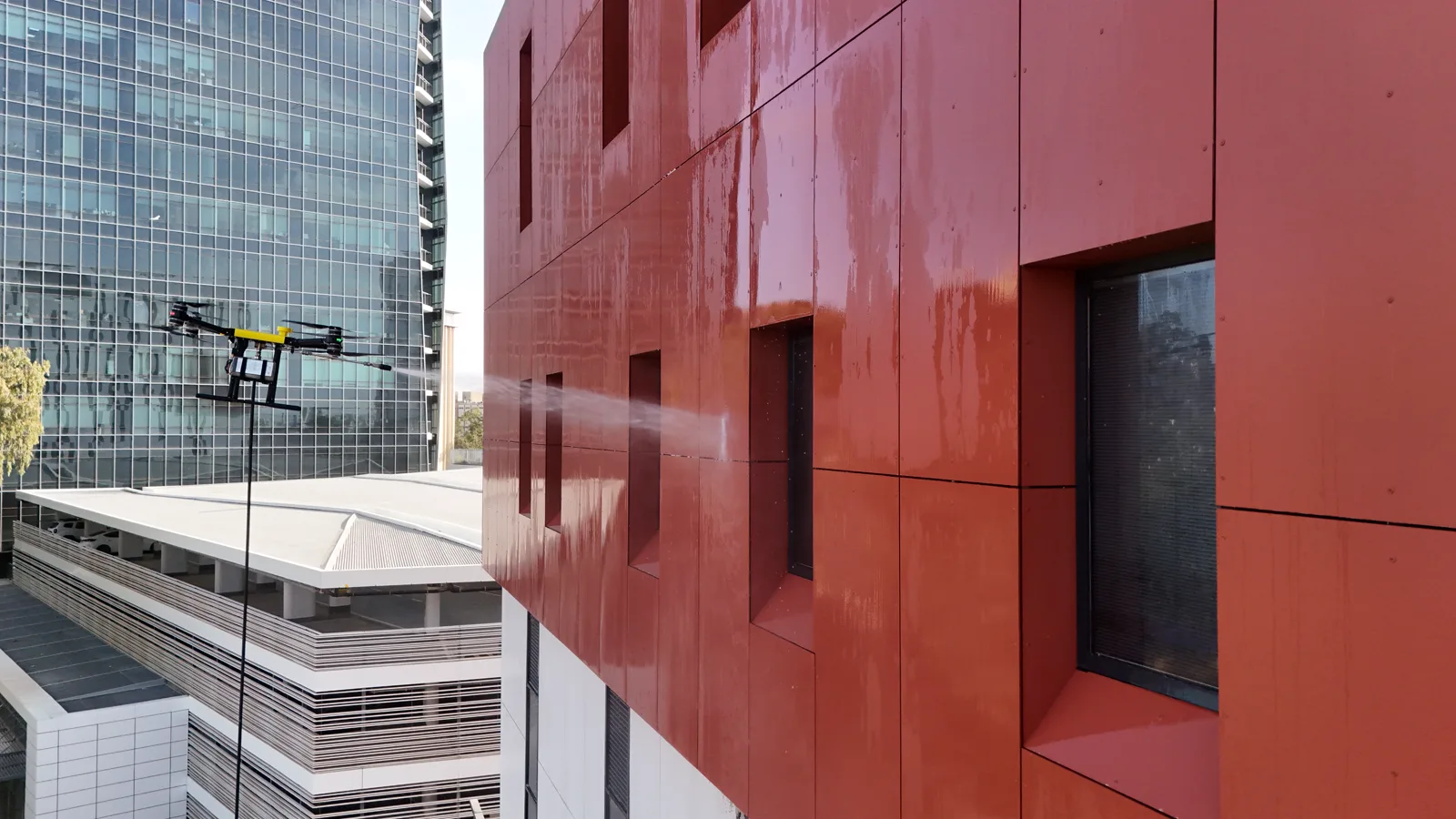
Start with a service customers buy every year: clean windows and building exteriors. Commercial accounts can offer larger scopes and repeat maintenance. SkyPSI brings equipment, training and support from $3k a month, plus marketing guidance. You provide the ground operation, crew, and customer outreach.
3 PATHS
Choose the business model
Build independently, buy a franchise, or add equipment, training, and support through a fixed subscription.
[01]
Choose the customer before the equipment
Choose one buyer and recurring problem: residential turnover, storefront glass, commercial exteriors, or pressure washing. Ask property owners how the work is done now and which jobs are frequent, painful, or expensive to access.
Form the business, separate its banking, and confirm the licenses and insurance required for your location and service.
Evidence [1]
[02]
Price the complete job
Price loaded labor, equipment and access, water, chemistry, runoff, transport, insurance, setup, rework, overhead, and profit. Pricing only spray time can make a busy calendar lose money.
Compare startup paths on total economics and control. A franchise disclosure may include initial fees, royalties, advertising, supplier restrictions, and continuing obligations. Read the current FDD and test whether its value exceeds the fee stack.
Evidence [2]
[03]
Use technology where access drives the cost
Drones improve the jobs where access drives the cost. Flatwork, interiors, hand detailing, obstructions, poor weather, and restricted sites may favor traditional methods. On suitable exteriors, a drone can reduce lift, scaffold, or rope-access cost for the drone-performed portion.
The business remains. Plan for a pilot in command and ground technician, plus the ground rig, vehicle or trailer, pumping, water, chemistry, consumables, insurance, permits, travel, site control, and overhead. Compare the same building, scope, and quality.
[04]
Find your first prospects, then build proof
Start with a property list and conversations. The Marketing Flight Plan, Content Library, and weekly sessions help with the plan and materials. You execute the outreach before optimizing close rates or referrals.
Execute a few jobs well, document results, ask for referrals, and track close rate, direct cost, contribution, rework, and days to payment. Those numbers tell you when to add crew, equipment, or another service.
[05]
What you build and where SkyPSI helps
Coordinating equipment, suppliers, training, and support takes time and money. Compare the pieces you would assemble independently with the help SkyPSI brings together. Your ground operation and customer relationships remain yours.
| The work | On your own | With SkyPSI |
|---|---|---|
| Flight equipment | Source kit and support separately | B2 flight kit, front-line support, loaner assurance |
| Training | Arrange aircraft and commercial practice | Equipment and commercial field training |
| Marketing | Build the plan and materials yourself | Flight Plan and weekly guidance; you execute |
| Customer relationships | Find, quote, win and serve your customers | You retain the relationships, accounts, budget and execution |
| Ground operation | Fund and run the setup and crew | Yours: rig, vehicle, water, chemistry, permits, insurance, crew |
Build With SkyPSI
Build your cleaning business with support.
Commercial properties offer larger scopes and repeat maintenance. SkyPSI starts at $3k a month with equipment, training, and support, plus marketing help as you build your customer base. Bring your current setup and target market to the first call.