
Starting a Business
How to Start a Pressure Washing Business
Start a pressure washing business by choosing a surface and buyer, learning pressure versus soft wash, forming and insuring the company, building the ground system, and pricing labor, access, water, chemistry, recovery, transport, and rework. Add a drone where access drives the cost.
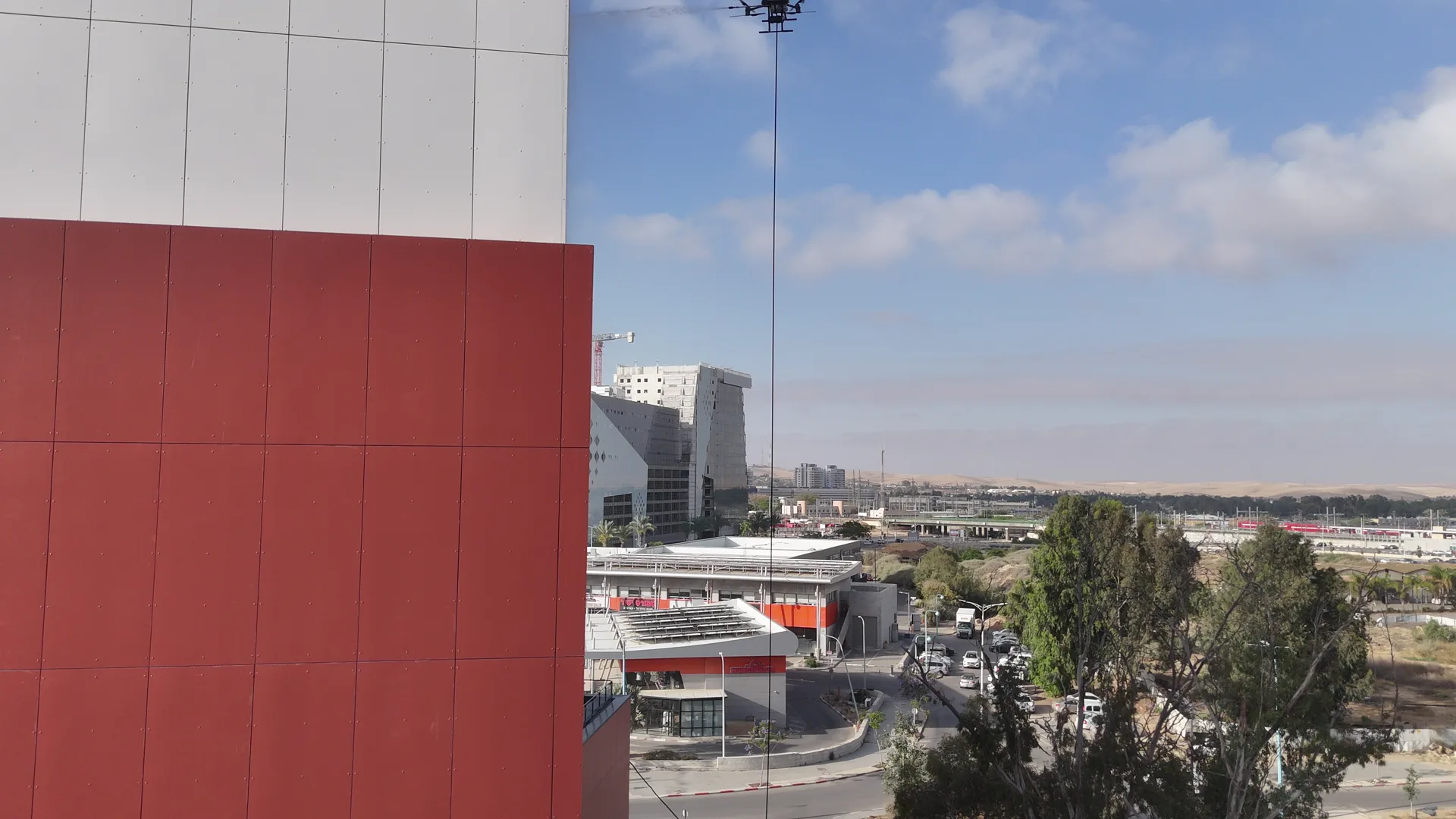
2 PEOPLE
Minimum drone job crew
Plan for a pilot in command and a ground technician, plus the ground operation.
[01]
Start with a surface, buyer, and method
Choose a surface. Pressure washing uses force on suitable surfaces; soft washing uses lower pressure and chemistry. Test the method, dwell time, and rinse against manufacturer guidance.
Form the business, separate its money, confirm licenses, and insure your work, people, vehicles, and equipment. Define the result and exclusions.
Evidence [1]
[02]
Build the ground system before the drone system
A commercial setup needs a vehicle or trailer, water and pumping plan, hoses, nozzles, chemistry, surface protection, protective equipment, maintenance, and runoff plan. A drone changes how solution reaches elevated surfaces. The ground rig and crew run the job.
Wash-water handling follows local, state, site, and property rules. EPA best-practice guidance keeps untreated wash water and contaminants out of storm systems where required. Confirm the rule for each job.
Evidence [2]
[03]
Compare the same building, scope, and quality
Traditional direct cost includes labor, access rental and delivery, setup, fall protection, water, chemistry, recovery, transport, insurance, and rework. Drone direct cost includes pilot and ground-crew labor, survey and airspace work, exclusion-zone setup, equipment or subscription allocation, ground-system costs, insurance, and rework.
On suitable façades, a drone can reduce worker-at-height and access-equipment cost for the drone-performed portion. The average commercial job ran $13,500 across 189 commercial jobs in Q3 2025.
[04]
Add aviation compliance and commercial support
Aircraft configuration, weight, airspace, people, and mission decide what Part 107 covers on a given day. An aircraft at or above 55 pounds follows a separate FAA certification path. Chemical dispensing gets its own FAA review.
SkyPSI Operator starts at $3k per month for the B2, training, and support. The operator supplies the ground operation and at least two people per job. The Marketing Flight Plan adds ongoing help as you build your own customers.
Sources
- [1]U.S. Small Business Administration: apply for licenses and permits
- [2]EPA: municipal vehicle and equipment washing best-management practices
- [3]OSHA: aerial-lift training and operating requirements
- [4]Lucid Bots Q3 2025 commercial job-value report
- [5]FAA: commercial drone operators
- [6]FAA: dispensing chemicals
Build With SkyPSI
Add commercial reach to your cleaning plan.
On suitable exteriors, drones can expand the work your crew can offer. SkyPSI brings the flight kit, field training, support, and marketing guidance together. You provide the ground system and crew and keep building your own accounts.