

The Conversation
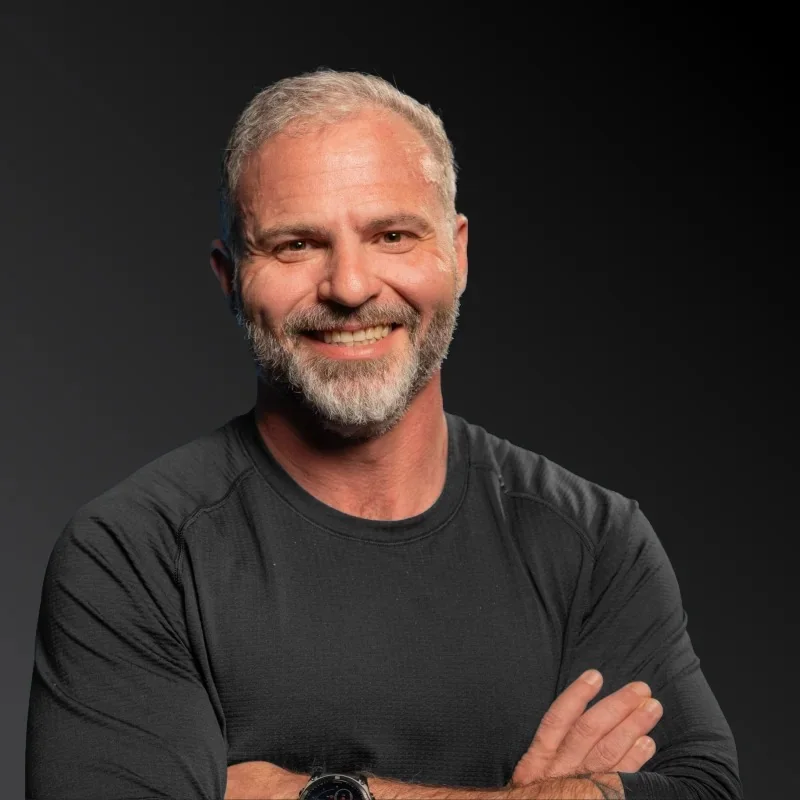
Raphael McMahon is a journalist whose work has appeared in the Observer, Latin America Reports and Entrepreneur. He sat down with Vic Pellicano, founder and CEO of SkyPSI, to talk about drone-based commercial building cleaning and Operator+, the app that helps operators win contracts and run their business. The conversation covered the operator model, the case for robotics, and where SkyPSI is headed next.
OBSERVER
Could you talk me through the work SkyPSI does and the purpose of the company?
Vic Pellicano
I think of a truck as the technology of its time. It gave a working person freedom. You could invest in a piece of equipment and make a living on your own terms. There hasn't been much innovation like that in a long time. Everything has been tech-enabled software and services. Then I saw this drone come out, and I saw an opportunity for a whole generation of people, a lot of them men but anybody, to invest in this piece of equipment, build their own businesses on top of it and change their life outcomes. They take control of their own destiny. If you want to work for yourself and bet on yourself, SkyPSI is backing that bet. That is what AI and robotics enable: the American entrepreneur, with sophisticated tooling and robotics underneath them, building a business of their own.
OBSERVER
Why did you personally decide to invest in it? What is the personal connection for you?
Vic Pellicano
I have been around robotics for about five years, so I know this space well. But honestly, it is a personal mission. I have seen many facets of life, and I wish everybody had that blessing. I want to enable people to build their own outcomes, and I see this as a vector to do it. I firmly believe people should bet on themselves. Competition is healthy and markets are healthy. What people have lacked is the tooling. In my heart, I believe the AI and robot world that is coming is good for everybody, and I want to prove it. A few years ago, going out on your own meant you needed lawyers, accountants and a stack of expensive software. Now an operator should be able to do all of it. That is the era that is coming, and I want to invest in those people. If you work hard enough, you can go from nothing to an incredible outcome. I really want to see this new world come to fruition, and I want to be part of it.
OBSERVER
I really like the focus on empowering working-class entrepreneurs. In the age of AI, people do not talk about that enough. What are you investing in specifically? What are you funding?
Vic Pellicano
Mainly the services side, and the people. What you have to figure out is the tooling required to get somebody to start their own business. Before, you needed expensive enterprise software. With AI, we can bring all of that down into one app for the average operator. Say you want to start a drone cleaning business. You open the app. How do I get financing? Click there and apply. How do I form an LLC? You can do that. Marketing, a website, a logo, all of it is right there. You can run the whole business on the digital side. One person now has the power that used to take a team of a hundred people. We pack that together with the equipment they need and squeeze it into an app, so they can open it up and say, I am running a business now. It does their accounting and invoicing, helps them bid jobs, get quotes and find leads. And day to day, when they go out to do the work they win, the equipment is included.
OBSERVER
How does it work logistically? Does the operator own the drone, or do they lease it from Sky?
Vic Pellicano
They lease the equipment from us. And I will die on this hill: the equipment is a tool. What the operator owns is the commercial contract, and that is the real asset. Here is how it works. Think of the dirty office building near you that you are tired of driving past. The owner pays a lot every year for window cleaning, with crews hanging off ropes in demanding conditions, and it is still expensive. Our operator walks in with a drone and offers to do the windows for half the price, on a multi-year agreement. The building owner saves money and avoids the insurance headaches of rope work. The operator now holds long-term recurring revenue, the kind of asset that has belonged to the world of software for the last thirty years. They go home every night knowing the work is on the books as long as they do their week of cleaning. Then they can win as much more as they want. They get to a level of work they are comfortable with, put those buildings on contract, save the owners money, and own the contracts.
One person now has the power that used to take a team of a hundred people.
OBSERVER
That seems like a very good business model for the operator. Robots have barely touched this industry. Why do you think that gap has existed for so long?
Vic Pellicano
Honestly, we have not spent a lot on innovation. Look at where the investment dollars have gone over the last thirty years, and most of it went into software. Three years ago, when ChatGPT wrote better code than I did, I knew where the energy was heading. I love software, but that era has matured. What everybody will focus on, I believe in my heart, is robotics making the world safer, cleaner and better for all of us. You are going to see a lot more investment flow into engineering. Hardware is hard. It takes multiple years and many iterations, and you need factories. That all has to come back online, so it takes time. But the investment money will flow there. And you are already seeing the price of robotics come down and the interest in it go up, because software is becoming a commodity.
What the operator owns is the commercial contract, and that is the real asset.
OBSERVER
How has your experience in business shaped the way you have gone about building this company and the vision you have?
Vic Pellicano
I wish I had the tooling that is available now. With AI, you do not have to learn all the administrative settings of QuickBooks or HubSpot. I taught myself those over the years, and now an operator can skip that whole era of enterprise software. Learning a CRM was completely inaccessible to them. They may never need to learn those letters, because they have one operator app that does all their work. I am able to share that ability with all these other folks. The core of what I learned is very simple. If you create value for another human being and they are willing to give you money for that value, you have a business, period. Then it is just how many of those human beings there are. That is what we call market size. This particular industry is interesting because it is a marketplace, and you serve both sides. You save property owners money on cleaning. You make money for new operators who are coming in to disrupt the market. And you match them up with technology, which is perfect.
OBSERVER
How important has your personal background been for you?
Vic Pellicano
It is really important, especially because my dad was a truck driver and I grew up with him and his friends. I see the operators, and I am the customer. A Silicon Valley founder would struggle to see it from there. When I look at the way we talk to people, the things we build for them, the packaging and the tooling, I see it through that lens. They say the great entrepreneurs solve a problem they had themselves, because the person you most want to serve is yourself. As long as you are the customer, you will try really hard to solve the problem, and I see myself as them, or as my father. That makes what we build special for them, and very hard to duplicate. You can talk to AI all day, but unless you really understand the DNA of the problem and the person you are helping, it is hard to build the right thing for them.
If you create value for another human being and they are willing to give you money for that value, you have a business, period.
OBSERVER
In terms of the future of the company, I read that you are launching in Dallas and Fort Worth, and that you want to be in every American city with glass. Do you have immediate plans for expansion after that?
Vic Pellicano
The Southeast is next. Florida is really nice, and then the Southwest after that. Those are the immediate areas of expansion. The reason you go south is that the cleaning season is longer. Exterior cleaning in Chicago runs about three months. Elsewhere in the South you get about nine months of it, which makes it a more attractive business opportunity. As different things come online, we are going to bring them in for our operators, so they can access different lines of business, different robotics, different tooling and different opportunities. We will be able to enable these folks to really scale their own businesses.
OBSERVER
Is there anything else you would like to share, or a final message about what you and the company seek to do?
Vic Pellicano
The bigger thing for me is this. When I was a kid and wanted to know something about frogs, I had to go to the library, find the frog section and pick up books. Then I was blown away by the era of Google. I could look up anything about frogs, and it changed my life. People were excited about that era. This new era of AI makes it even easier, and I hear a lot of people complain, which is surprising to me. I wish folks were more optimistic. My dream is a community of people who believe in the American dream, and who believe AI and robots are going to be good for the long-term health of the country and, frankly, the human species. If we build that, I will be very happy with my investment.
Edited for length and clarity.