
The Conversation
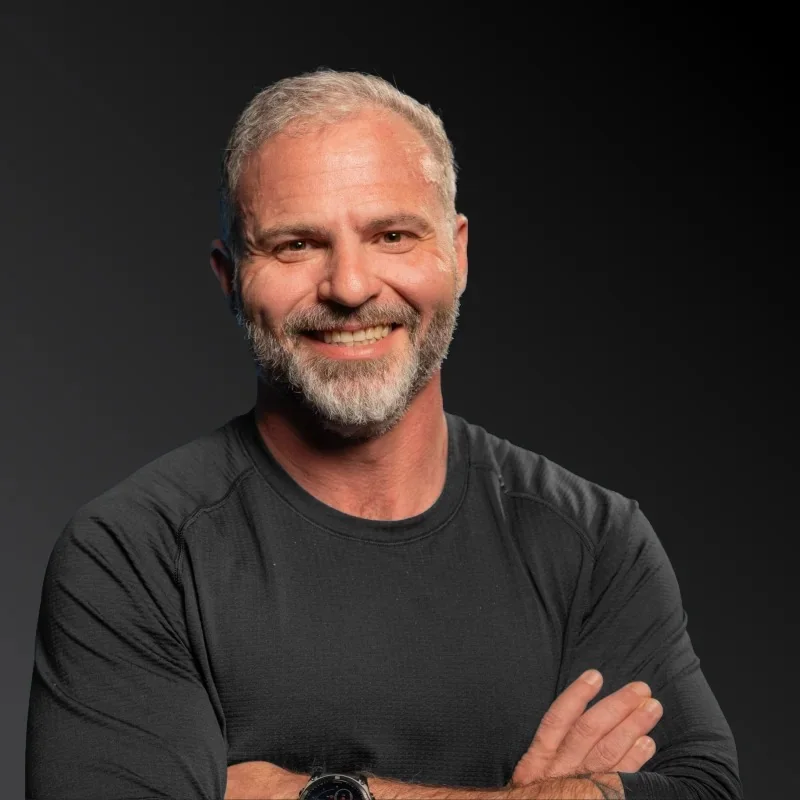
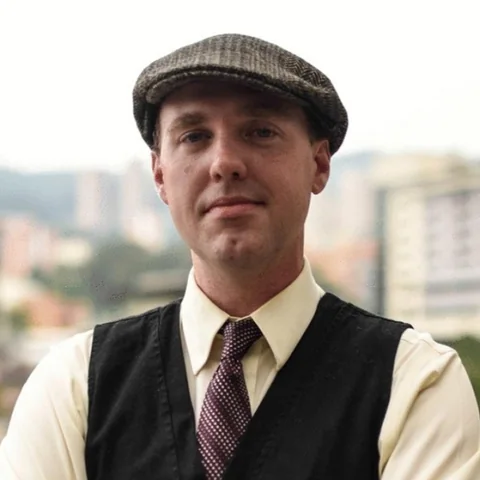
Tim Hinchliffe is the editor of The Sociable, which covers technology and society. He sat down with SkyPSI founder and CEO Vic Pellicano on the eve of the company's launch. They discussed drone cleaning, the operators who build businesses around it, and why Vic sees scrappy, working-class robots as the next generation of opportunity.
THE SOCIABLE
Can you give me a quick overview of SkyPSI and what is launching now?
Vic Pellicano
In a couple of sentences, SkyPSI enables the next generation of entrepreneurs to make use of robotic technology. Everybody is worried about robots taking their jobs, and I believe robots are the great enabler. Computers let a whole generation make a living behind a desk, and robots will do the same. A person can buy a drone from the manufacturer, but then comes the second problem: how do I put it to work and make money? SkyPSI answers that. We connect operators to commercial properties that are looking for work. We bring them into jobs we already have, teach them to sell themselves, and keep backup units on hand. As new robots arrive, we add them to the fleet, so we are the company behind each operator on the technical side, in sales and in marketing.
THE SOCIABLE
Who are the actual customers? People already in the cleaning business who want to upgrade?
Vic Pellicano
Those too, and we work with plenty of cleaning companies that want to add drones. But the largest group is people getting into this market fresh. Some are leaving corporate careers. Some are retired and want independent work. Some do property work as a side business. Every building needs maintenance, and when you count commercial and government buildings, you are talking about tens of millions in the United States alone. The work is endless. The average commercial drone cleaning job pays the operator about $13,500. Do ten of those a year, which is maybe ten to twenty working days, and you have a real business. Then comes the part we provide: finding, bidding and supporting those jobs. It is business in a box, with the drone as the piece of technology that makes everyone's eyes pop.
Everybody is worried about robots taking their jobs, and I believe robots are the great enabler.
THE SOCIABLE
Why start with cleaning?
Vic Pellicano
Because of what the drone makers cannot do. They sell machines to people and tell them to go win their own jobs. A manufacturer cannot compete with its own customers for that work. We can. We bring a book of jobs and say, we have a large building that needs to be clean in two weeks, come do it and we will pay you well. Then we teach operators how we won it. We add marketing tools and software around that. The drone is easy to fly and has strong safety features and automation. The magic happens when the operator has a business and infrastructure built around the drone, and that is what we help build. Cleaning is also attractive because the economics work for everyone. The operator earns around $13,500 a job, and the property manager pays about half of what they paid before.
THE SOCIABLE
Why start in the Dallas area? Is it the aviation laws?
Vic Pellicano
It is less about the laws than you would think. It is about property managers. At first they do not believe a drone can clean their building. You have to show up and prove it. It is a brand-new technology, so it takes demonstrations, the right insurance and coverage, and a place to bring people so they can see it work. Dallas gave us that. Once they see it, they ask good questions, and once the questions are answered they say, why wouldn't I do this? It is cheaper, safer and faster. We have spent the summer doing that by hand in Dallas, and we will bring it to the rest of the country.
The magic happens when the operator has a business and infrastructure built around the drone, and that is what we help build.
THE SOCIABLE
The crews who used to work the ropes and rafters: can they become the entrepreneurs?
Vic Pellicano
They are free to choose their own path. A crew of three goes up on ropes. Train one or two of them, get them an FAA license, and it is basically the same crew working from the ground. Everyone is safe, the building gets cleaned faster and for less, and nobody loses a job. Operators can be trained in a couple of weeks to a month. The same people become the pilots and business owners.
THE SOCIABLE
Where do the drones come from? Do operators own them?
Vic Pellicano
We buy from a leading manufacturer and provide them to operators as part of a full package. I chose that hardware because I think it is the best in the industry. But I do not think specifications win the day. The people who run a proper business win, and that is where we help. We keep extra drones here. If an operator is cleaning a major building next week and a propeller breaks, they call us and we ship a loaner. It is hardware, like a truck. It works most of the time, and sometimes you need help. Early on, operators have a hard time finding advice, spare parts and people who know the industry. That is where we create real value, because we want them successful and growing with us as we add new robots.
THE SOCIABLE
How do you get all of those jobs and relationships?
Vic Pellicano
That is the magic. I have a business partner who has been in this industry a long time and has deep relationships. I also spent the last several months on the ground in Dallas, talking to property managers and putting good crews on demos. Ninety percent of it is an awareness campaign. Most people do not know you can clean a building with a drone. You explain the safety features, you prove it, and then everyone wants to do it. It takes time, energy and investment, and it is the foundation of what we offer operators.
THE SOCIABLE
When operators are on a job, is a SkyPSI person on site?
Vic Pellicano
On the first couple of jobs, yes. The work runs on our paper, so we have someone there for quality. Operators run their own businesses with their own trucks and their own uniforms. As we get to know each other and trust builds, we step back and they run jobs on their own. That is a certified operator, and certified operators get more work from us. Behind the scenes we have built the forms, the fly and no-fly knowledge and the insurance guidance. Aviation is largely FAA controlled, and we know how to work with the agencies and help operators through each step.
THE SOCIABLE
How does the operation actually work? How much is automated and how much is the pilot?
Vic Pellicano
It is easy to fly. It is a flying pressure washer, and the operator guides it close to the building and sprays. The drone has forward-facing radar and automatic braking, similar to adaptive cruise control. Even if someone pushed the controls forward, it would stop short of the building. The sides take more care because buildings have ledges and structures that pop out, so a trained pilot is always part of the job. The rule is simple: keep the area underneath clear. The drone is tethered to a hose on a reel at the truck, so it stays right where the operator needs it. The water comes from a tank on the truck that refills from a hookup on the building. Operators plan short breaks if there is no water on site.
THE SOCIABLE
What has your journey been, leading to this moment?
Vic Pellicano
I taught myself to code and built a software company from scratch. I ran it for ten years without outside investors and then sold it. After that I got into robotics out of passion. We were in a serious labor shortage, and AI and robots are the natural answer to it. I looked for a commercially viable robot and the cleaning drone stood out. Everyone thinks robots will come from big companies, and some will. My dad was a truck driver. He bought a piece of technology, a truck, and he was able to earn a living working for himself. I truly believe working-class robots are the next generation of that. These are tools that a motivated person can go hustle behind. For the first time, a person down the street who loves hard work can pick up a couple of robots and start a business. That world did not exist ten years ago. I cannot say exactly what it will look like. The shape of it is opportunity-seeking, motivated, high-agency people with access to tools, training and infrastructure like SkyPSI behind them.
THE SOCIABLE
You were working on making robots smarter. Why this business now?
Vic Pellicano
I hope to do more engineering, and there will be plenty of projects here. But hardware takes a long time, and I would rather deliver value now. I can give people access to technology that changes their outcomes and their families' outcomes, and I can stand behind them as new technologies come online. As hardware makers build new machines and scrappy operators serve the world, I can be the link between them. I understand working people, and I think they see that when we talk.
The shape of it is opportunity-seeking, motivated, high-agency people with access to tools, training and infrastructure like SkyPSI behind them.
THE SOCIABLE
Do you have video of the drones in action? How will people see it?
Vic Pellicano
It is a show. A big part of our go-to-market over the next year is live events, because people want to see it with their own eyes. They see how it hooks up and how the batteries swap, and they start to believe. A drone cleaning a hotel in a busy city is an ad by itself. It is all you remember from the day. Once the press release goes out, it becomes an event, and we share the footage and demo video with everyone.
Edited for length and clarity.
Original coverageRead The Sociable's articleTim Hinchliffe's story on The Sociable.